

Beyond ISO: The Wider Compliance Support UK SMEs Need
For many SMEs, compliance starts with one requirement. Before long, it becomes certificates, questionnaires, portals, evidence requests and renewal dates — and someone has to keep track of all of it.
For many SMEs, compliance starts with one requirement.
A customer asks for an ISO certificate. A tender requires certain Health & Safety documents. A contractor portal needs information updating. A supplier questionnaire lands in someone's inbox. Then another request arrives. Before long, compliance is no longer one standard or one annual audit. It is a mix of certificates, policies, questionnaires, customer requirements, assessments, portals, evidence requests and renewal dates.
And someone in the business has to keep track of it all. That is why compliance support for UK SMEs needs to look beyond individual certificates. The challenge is often not one requirement on its own. It is managing everything together while still running the business.
ISO is only one part of the compliance picture
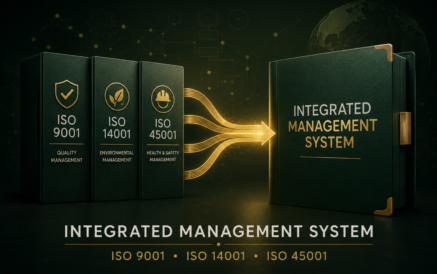
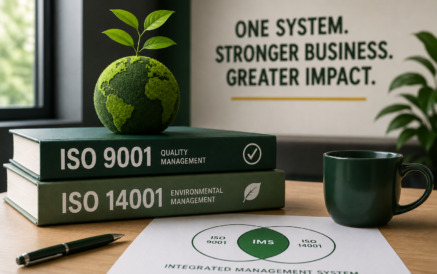
ISO certification can be an important part of a company's management system and the evidence it provides to customers. But it is rarely the whole compliance picture. Depending on the business, its sector and what customers expect, commonly relevant standards include:
- ISO 9001Quality management
- ISO 14001Environmental management
- ISO 27001Information security management
- ISO 45001Occupational health and safety management
The right standard depends on the organisation. Not every SME needs every certification, and holding an ISO certificate does not automatically satisfy every requirement a customer, contractor or procurement team might have. In practice, ISO often sits alongside several other forms of compliance. You can read more about our ISO support, or our ISO 45001 consultant support for health and safety management systems.
Health & Safety requirements can extend beyond certification
Health & Safety is a good example. For practical guidance on managing workplace health and safety, the Health and Safety Executive (HSE) (opens in a new tab) provides resources for UK businesses. A business may have a Health & Safety management system in place, but customers and contractors can still ask for specific evidence before work begins or as part of an ongoing supplier relationship.
That could include policies, risk assessments, method statements, insurance information, training records, competency evidence or details of how Health & Safety is managed in practice. The challenge is not simply creating documents. Those documents need to reflect what the business actually does, remain current and be available when somebody asks for them.
For an SME without a dedicated compliance team, keeping on top of that can quickly become another responsibility added to someone's existing role.
The challenge is not simply creating documents. They need to reflect what the business actually does.

Supplier and contractor compliance creates another layer
Companies working in supply chains or as contractors may also encounter third-party pre-qualification and assurance platforms. These can include CHAS (opens in a new tab), Constructionline (opens in a new tab), SafeContractor (opens in a new tab), Achilles (opens in a new tab) and Avetta (opens in a new tab).
Each platform and customer can have its own requirements. Businesses may be asked to provide policies, certificates, insurance details, training information, safety records and other supporting evidence. There may also be questionnaires to complete, documents to renew and information to update as circumstances change.
This is where supplier and contractor compliance can become time-consuming. The information may already exist somewhere in the business. The difficult part is often knowing what is required, finding the right evidence and making sure what is submitted is current and appropriate. You can see how Goldenpath supports these requirements through our Supplier & Contractor Compliance support.
Responsible business requirements add to the workload
Compliance expectations are also increasingly broader than traditional quality or Health & Safety requirements. EcoVadis (opens in a new tab), for example, assesses organisations across four themes: Environment, Labour & Human Rights, Ethics and Sustainable Procurement.
Responding to an assessment can involve bringing together policies, procedures, evidence, data and performance information from different parts of the business. Again, the challenge is not necessarily that the organisation is doing nothing. It may already have good practices in place. The problem is being able to organise and demonstrate them clearly.
Then a customer sends you their own questionnaire
Not every compliance request fits neatly into a recognised standard or assessment platform. Customers can have their own supplier questionnaires, onboarding processes and audit requirements. One might ask about information security. Another wants environmental evidence. Another focuses on Health & Safety, training or supply chain controls.
A larger customer may want to conduct an audit and ask for evidence showing that your processes are actually being followed. For SMEs, this can mean answering similar questions repeatedly in slightly different formats. Someone has to work out what the customer is asking for, find the relevant information, check that it is current and coordinate any actions needed before responding.
One questionnaire might be manageable. Several customers, platforms, standards and audits running at the same time are where things become more difficult.
The real challenge is keeping everything organised
This is often where compliance becomes frustrating for SMEs. You might have:
- several standards or customer requirements
- multiple supplier and contractor portals
- documents with different review dates
- questionnaires arriving from different customers
- audit evidence stored across different folders or systems
- actions that need following up
- certificates, insurance and training records that need keeping current
None of those tasks necessarily looks overwhelming on its own. Together, they create an ongoing workload. And because compliance is often shared between directors, operations, HR, Health & Safety, quality and administration, it is not always obvious who owns what. That can lead to the familiar rush when an audit is approaching or a customer suddenly asks for evidence by Friday.
What if someone was responsible for keeping it together?
This is where Goldenpath's Named Compliance Manager support can help. Rather than only bringing in support when a certification or audit is approaching, a Named Compliance Manager provides ongoing help with the organisation and management of your compliance requirements.
That can include helping to keep documentation current, coordinating actions, supporting customer questionnaires, preparing evidence and keeping track of the different requirements affecting the business. It gives your team a clear point of contact for compliance rather than allowing every new request to become another job that has to find an owner.
The aim is not to replace the legal or statutory responsibilities that remain with your business. It is to provide practical compliance management support so those responsibilities and customer requirements are easier to stay on top of.

Other compliance requirements businesses may encounter
The compliance landscape does not stand still. Depending on the sector, products and customers involved, UK businesses may also encounter requirements relating to areas such as Environmental Product Declarations (EPDs) (opens in a new tab), BSIF requirements (opens in a new tab) and UKCA marking (opens in a new tab).
These requirements will not apply to every organisation, but they are another example of how the compliance landscape can extend beyond ISO certification and vary according to a business's products, markets and customer requirements. They also demonstrate why it is becoming increasingly difficult to think of compliance as one certificate or one annual exercise.
Compliance should support the business, not create another business inside it
The goal should not be to build layers of paperwork simply because somebody might ask for them. Good compliance support should help a business understand what actually applies, organise the evidence it genuinely needs and keep its systems workable for the people using them. That could mean support with an ISO management system.
It could mean Health & Safety. It could mean CHAS, Constructionline, SafeContractor, Achilles or Avetta, with supplier and contractor compliance support alongside. It could mean EcoVadis, a customer audit or the supplier questionnaire sitting unanswered in someone's inbox.
Or it could mean having ongoing support to keep all of those requirements organised rather than dealing with each one separately.
Bringing your compliance requirements together
Goldenpath supports UK SMEs across ISO management systems, Health & Safety, supplier and contractor compliance, EcoVadis and wider Business Compliance Support.
The focus is not simply on getting through the next audit or obtaining another certificate. It is about helping you build a more manageable approach to compliance, keep the right evidence in place and respond more confidently when customers, contractors or procurement teams ask for it.
Compliance does not stop once the certificate is on the wall.
For many businesses, that is where the ongoing work begins.
Frequently asked questions (FAQs)
Is ISO certification the only compliance requirement UK SMEs face?
No. ISO certification is rarely the whole compliance picture. It often sits alongside Health & Safety evidence, supplier and contractor platforms, EcoVadis assessments, customer questionnaires and audits.
Does an ISO certificate satisfy every customer requirement?
Not automatically. Holding an ISO certificate does not necessarily satisfy every requirement a customer, contractor or procurement team might have, and the right standard depends on the organisation.
What are supplier and contractor compliance platforms?
They are third-party pre-qualification and assurance platforms, such as CHAS, Constructionline, SafeContractor, Achilles and Avetta. Each platform and customer can have its own requirements, and these platforms are run by third parties, not by Goldenpath.
What does a Named Compliance Manager do?
A Named Compliance Manager provides ongoing help with organising and managing your compliance requirements. That can include keeping documentation current, coordinating actions, supporting customer questionnaires and preparing evidence.
Does a Named Compliance Manager take over our legal responsibilities?
No. The legal or statutory responsibilities remain with your business. The support is practical compliance management, so those responsibilities and customer requirements are easier to stay on top of.
Will EPDs, BSIF requirements or UKCA marking apply to every business?
No. These requirements will not apply to every organisation. Whether they are relevant depends on the sector, products and customers involved.
Is Compliance Taking Up More of Your Team's Time Than It Should?
If managing compliance is taking up more of your team's time than it should, talk to Goldenpath about our Compliance Support service and how we can help take compliance off your desk.